Simone Santi
Leonardo Group / Eurocam / CCMI
President

Third edition · 1 and 2 December 2026 · Pullman London St Pancras
Theme: Transforming Africa’s Energy Supply Chain through Technology, Investment and Local Value Creation
The Wider African Energy Summit is where announced projects in African energy become contracts. Governments set the terms, operators and national oil companies set out what they are buying, and service companies, fabricators, financiers and indigenous African suppliers sit opposite them for two days.
WAES launched in Accra in 2024 and met the North Sea supply chain in Aberdeen in 2025. The third edition comes to London, where much of the finance, insurance and legal work behind African energy projects is arranged.
Simone Santi

Veronica Bolton-Smith
Grayson M. Andersen
Dr. Kofi Amoa-Abban

Yaw Appiah Lartey
The contract path
Winning work in African energy runs through six stages. Most events stop at the first. The WAES programme follows a contract through all six. Choose a stage to see the sessions that deal with it.
Day 1 · Demand, Contracts and Capital
Day 2 · Execution, Local Value Creation, Partnerships
A licence is awarded, a discovery declared, or a development plan approved. The programme looks at what each opportunity will buy and the contracts that may follow.
Capital committed and expected over the next eighteen months, converted into the procurement categories it will call on.
The summit opens on the question that runs through both days: what Africa’s energy projects will buy, and who will supply it. Speaker to be announced.
Five regulators and national oil companies explain what each licensing round buys.
Short presentations, with meeting desks running alongside.
The scope is defined and packaged. Sessions explore how operators structure work, set procurement requirements and prepare opportunities for suppliers to bid.
Developed with ICoTA.
Chaired panel with extended questions from the floor.
Suppliers need to be on the right register before they can bid. These sessions explain the cost and timing of entry and how procurement-grade registers are built.
What it costs, and how long it takes, to reach the point of bidding. Delegates leave with the entry cost and timeline table.
Fifteen minutes on Nigeria’s Joint Qualification System: how it was built and what it has achieved.
Register authorities, buyers and qualification bodies work together on an answer.
Qualification is the step between wanting the work and being allowed to price it. These sessions address supplier readiness, technical capability, innovation and assurance.
Three technologies and the terms attached to them, with DNV presenting.
How women-led and women-owned suppliers move from registered to awarded.
Three self-contained segments, including a buyer’s own supplier assurance questionnaire.
Local content requirements can make partnerships essential: African suppliers bring local knowledge and presence, while international partners can contribute specialist capability, technology and investment.
Regulators, buyers and suppliers work through what local content requires. Participants leave with a written action plan.
What has worked in building African companies and the people they employ, and how long it takes.
Gas, LNG, renewables and critical minerals buy from the same yards, vessels and engineers.
Winning the contract is not the end of the process. Commercial risk, payment terms and access to finance help determine whether suppliers can deliver the work and sustain their businesses.
What converted into contracts and partnerships, and what did not. Publication date to be confirmed.
Session times and the full two-day programme, including the parallel sessions in The Niger, are on the Agenda page.
See the full programmeThe mature basin exchange
The requirement
Indigenous and independent African operators are acquiring late-life assets, and with them production, integrity and abandonment obligations that call for capability they do not yet hold in house.
The response
The North Sea Basin, across its UK and Norwegian sectors, has carried out late-life work for years and has a finite domestic workload. At WAES the operators set the requirement and the suppliers respond. WAES puts technology transfer on the table from the first meeting, so partnerships are structured to build capability the African operator holds in house.

WAES Recognition Awards
The inaugural WAES Recognition Awards honour the companies, institutions and people whose work moved African energy projects into execution and created work for the supply chain. Every award will be decided on evidence dated between 1 October 2025 and 16 October 2026, and judged by the Stewardship Council against published criteria. Nominations are open from 1 to 10 November 2026.
| Award | Category | What it recognises |
|---|---|---|
| Source | Supply Chain Enabler of the Year | The institution that created the law, system, finance or project pipeline through which the supply chain executes. |
| Nile | Corporate: African Energy Company of the Year | The company whose delivery in the window put a major asset, facility or gas stream into operation and created work for the supply chain. |
| Nile | Individual: African Energy Leader of the Year | An executive whose decisions in the window moved assets, gas or contracts into African operation. |
| Niger | Indigenous Supply Chain Champion | An African-owned service or supply company that executed work previously done by foreign contractors, or whose qualification now travels across borders. |
| Volta | Local Content Champion: African Companies | An African-owned operator whose procurement turned local content into contracts awarded to national firms, shown in value and share. |
| Volta | Local Content Champion: International Companies | An international company deliberate about local content: national suppliers developed, scopes executed in-country, nationals in senior roles, beyond what the law requires. |
| Okavango | Women in Energy Leadership | A woman whose leadership in the window opened opportunity for others across African energy. |
| Congo | Technology Innovation | A technology or commercial model deployed in Africa in the window that changed the cost, speed, safety or emissions of execution. |
| Congo | Technology Transfer | A technology or capability now held and operated by African staff or firms, not only deployed in Africa. |
| Zambezi | Energy Synergy Project | A project that connects gas, renewables or critical minerals through one supply chain. |
| Chairman’s Award | Discretionary | A discretionary honour for a lasting contribution to Africa’s energy supply chain. Not shortlisted or announced in advance. |
The Stewardship Council
The Stewardship Council helps shape the summit’s themes, review its programme and maintain its focus on practical industry priorities. Its members bring experience spanning energy, regulation, local content, equipment, minerals and engineering communities, with representation from Ghana, Nigeria, Angola, Namibia, Senegal, Italy, the United Kingdom and the United States.
Chair
Council members contribute to programme development, support engagement with operators and national oil companies, and participate in judging the WAES Recognition Awards against the published criteria.

“This show is the pre-eminent supply chain event to attend if you are serious about doing business in Africa. At WAES the global supply chain can hear first hand from the operators and governments as to where these opportunities lie.”
NJ Ayuk, Chair of the WAES Stewardship Council and Executive Chairman, African Energy Chamber
Your meetings
Request meetings through the delegate app before the summit. The Meeting Concierge desk in The Congo confirms bookings and handles changes on both days. Private rooms are available on request, subject to availability.
The venue
Pullman London St Pancras, Euston Road, between King’s Cross St Pancras and Euston stations. The Nile is the main stage, The Niger hosts the parallel working sessions, and The Congo holds the Africa Energy Marketplace and the meetings programme.
Why London
Project finance, export credit, energy insurance and the law firms that advise on African energy are all within reach of the venue, and the UK and European supply chain can meet an African buyer here in a day.
Getting here
King’s Cross St Pancras is next to the venue, with Eurostar services from Paris and Brussels at St Pancras International. From Heathrow, the Piccadilly line runs direct to King’s Cross St Pancras.
Visas and invitation letters
Apply early and check current UK entry requirements. WAES invitation letters are issued after registration and payment.
Evenings





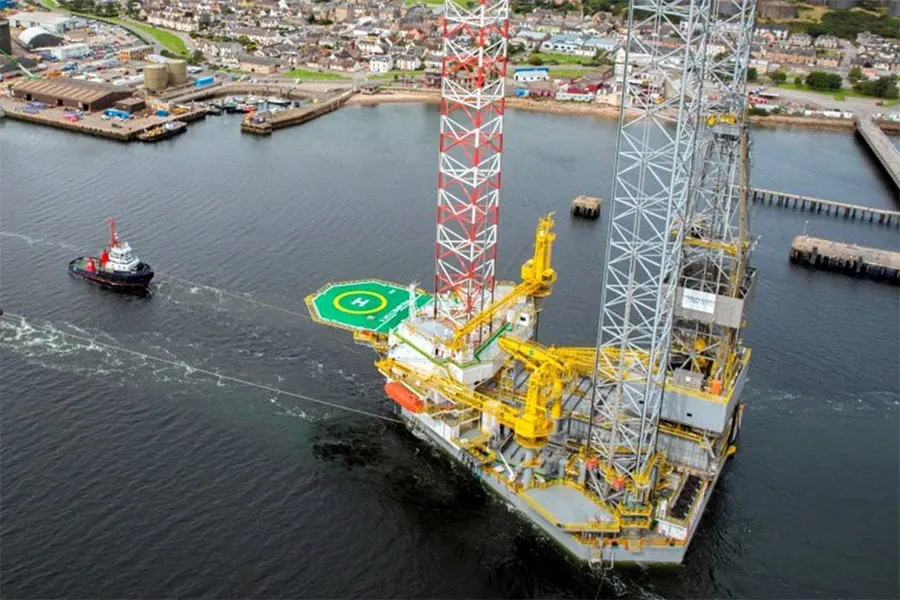
Aberdeen 2025
WAES launched in Accra in 2024 and held its second edition in Aberdeen in 2025, bringing the summit into direct conversation with the North Sea supply chain. London continues that exchange.